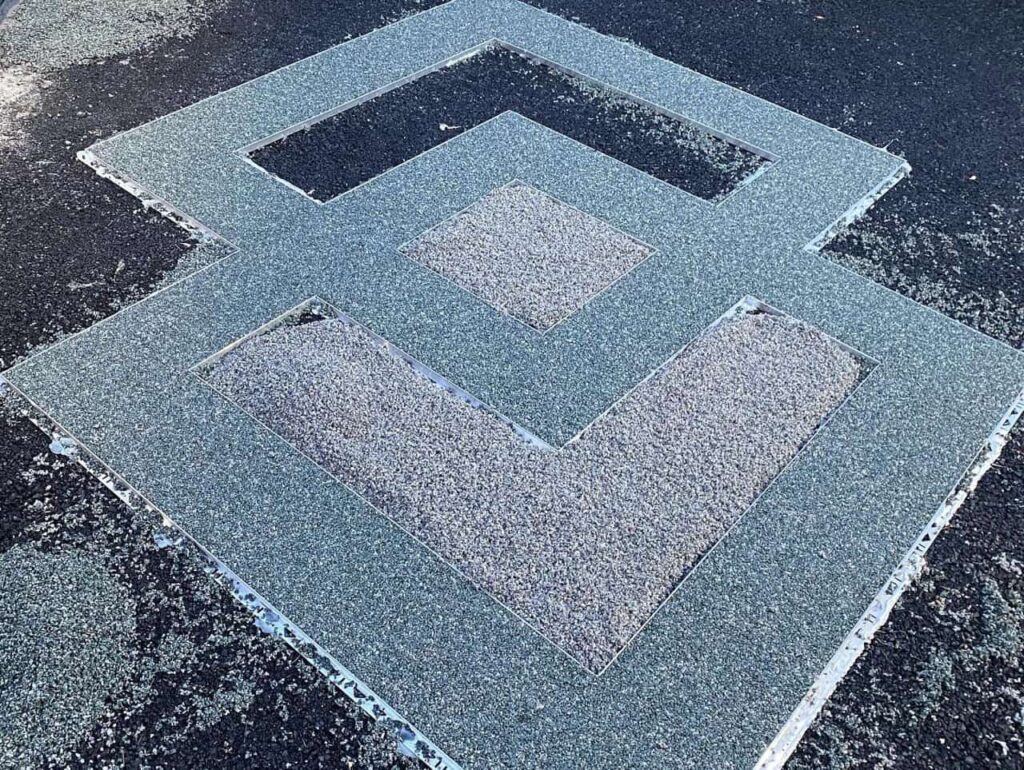
A patio can remain usable for many years while gradually becoming less attractive and less practical. Cracked surfaces, uneven sections, deteriorating joints, persistent weeds and areas that hold water can all make an older patio increasingly difficult to maintain. At some point, repeatedly dealing with individual defects may no longer provide the improvement the outdoor space needs.
For homeowners in Chelmsford, Essex, resin bound surfacing can provide an effective option when upgrading an ageing patio. Its smooth, continuous appearance works particularly well in outdoor living areas, while the combination of carefully selected aggregate and resin creates a durable surface suitable for regular pedestrian use. The quality of the finished patio, however, depends heavily on preparation, drainage and the condition of the underlying construction.
Why Consider Resin Bound Surfacing for an Ageing Patio?
Replacing a patio provides an opportunity to do more than improve its appearance. It allows the complete area to be reconsidered, including levels, drainage, accessibility, layout and how the patio connects with the rest of the garden.
Resin bound surfacing can combine these practical considerations with a clean, contemporary finish, provided the installation is correctly designed for the existing site.
A New Surface Can Transform a Tired Outdoor Area
An ageing patio can make the surrounding garden feel neglected even when other areas are well maintained.
Years of weather exposure, staining, cracking and general wear can leave the surface looking inconsistent.
Replacing it with resin bound surfacing creates a more uniform finish across the complete area.
This can make the patio feel like an intentional part of the garden again rather than an older surface that has simply remained in place.
Resin Bound Patios Provide a Smooth, Consistent Finish
One of the most noticeable characteristics of resin bound surfacing is its continuous appearance.
The aggregate is mixed with resin before being applied, creating a surface without the numerous individual joints associated with many traditional paving layouts.
For a patio, this can produce a clean and visually consistent area that works well for seating, tables and everyday garden use.
The Aggregate Finish Retains Natural Visual Character
Although resin bound surfacing creates a continuous surface, it does not have to look plain.
The exposed aggregate gives the finished patio texture and natural variation.
Different aggregate combinations can create different overall appearances while retaining the same resin bound construction.
This allows the patio to complement the surrounding property and garden without relying on complicated paving patterns.
Resin Bound Surfacing Can Modernise an Older Garden
Sometimes the patio is structurally or visually out of keeping with the rest of an improved garden.
Replacing an ageing surface can provide a clearer foundation for the whole outdoor area.
A resin bound patio can create a more contemporary appearance while remaining relatively understated.
Rather than dominating the garden, the surface can provide a consistent background for furniture, planting and other features.
An Ageing Patio May Have Several Problems at Once
Older patios rarely deteriorate in one perfectly isolated way.
There may be cracked sections, uneven levels, loose materials, vegetation in joints and localised areas where water collects.
Treating these problems individually can improve particular spots without changing the overall condition of the patio.
Where deterioration has become widespread, replacing the surface provides an opportunity to consider these issues together.
Uneven Areas Can Make a Patio Less Comfortable to Use
Settlement and movement can leave sections of an older patio at different levels.
This can make furniture less stable and create an inconsistent walking surface.
Simply covering substantial movement without understanding why it occurred is not good preparation for a new patio.
Before resin bound surfacing is installed, the existing construction and levels should be assessed so that any underlying weaknesses can be addressed appropriately.
Preparation Is Critical to the Finished Result
The visible resin bound layer is only part of a successful installation.
Its performance depends heavily on what lies beneath it.
A suitable, stable base provides support and helps the finished surface maintain consistent levels. If the underlying construction is weak, moving or badly deteriorated, applying a new finish above it does not remove those problems.
Professional preparation is therefore one of the most important parts of replacing an ageing patio.
Not Every Existing Patio Can Simply Be Covered
Resin bound surfacing can sometimes be associated with overlay applications, but this should not be treated as the automatic solution for every old patio.
The existing surface must first be assessed.
Extensive cracking, movement, unstable sections or unsuitable levels can indicate that additional preparation is required before a dependable resin bound finish can be installed.
The correct approach should be determined by the condition of the site rather than by trying to avoid necessary groundwork.
Drainage Can Be Considered as Part of the Upgrade
Standing water is a common frustration on older patios.
It can develop where levels have changed, low spots have formed or the original drainage arrangement is no longer working effectively.
Replacing the patio creates an opportunity to review how water moves across and through the area.
Resin bound surfacing has a porous structure when installed as part of a suitable permeable construction, allowing water to pass through the surface rather than simply remaining on top.
However, the complete construction beneath the resin must also be suitable for this to work effectively.
Good Levels Still Matter With a Resin Bound Patio
A permeable surface does not make correct levels unnecessary.
The patio still needs to be properly prepared and constructed according to the characteristics of the site.
Poor groundwork cannot be compensated for simply by choosing resin bound surfacing.
Careful preparation helps produce a more consistent finished area and supports effective management of water.
Fewer Joints Can Create a Cleaner-Looking Patio
Older paving can become visually dominated by joints, particularly where they have deteriorated or vegetation repeatedly appears between individual units.
Resin bound surfacing creates a more continuous finish.
For homeowners who prefer a less segmented appearance, this can be one of its strongest aesthetic advantages.
It can make smaller patio areas in particular feel less visually interrupted.
Reduced Jointing Can Simplify Routine Maintenance
The lack of numerous paving joints also changes the way the patio is maintained.
There are fewer individual gaps in which loose jointing material can deteriorate or unwanted growth can establish.
Resin bound surfacing is not maintenance-free, and outdoor surfaces still accumulate dirt, leaves and organic material.
However, its continuous construction can make routine upkeep more straightforward than an ageing patio containing many deteriorated joints.
A Resin Bound Patio Can Be Easier to Sweep
The relatively even surface is practical for everyday garden cleaning.
Leaves and loose debris can be swept from the area without repeatedly catching around deep joints or severely uneven paving edges.
This may seem like a small advantage, but routine maintenance contributes significantly to how convenient an outdoor space feels over time.
A patio that is straightforward to keep tidy is more likely to remain inviting for regular use.
The Surface Can Improve Movement Around the Garden
Patios often connect several parts of a garden.
They may provide access between the house, paths, lawn and other outdoor areas.
An ageing surface containing substantial level changes can interrupt this movement.
A carefully designed resin bound patio can create a more consistent walking surface and clearer transition between connected areas.
The surrounding levels should be considered during installation so that the new patio integrates naturally with the wider garden.
It Can Provide a Practical Surface for Garden Furniture
A patio should function as usable outdoor space rather than simply look attractive.
Tables, chairs and other garden furniture generally benefit from a consistent surface.
Where old paving has moved or individual sections sit at different heights, furniture can become awkward to position.
A properly installed resin bound surface can provide a more uniform area for arranging outdoor furniture and making better use of the available space.
Edges Can Be Used to Define the Patio
The edge treatment plays an important role in how a resin bound patio looks and functions.
Defined edges can separate the patio from lawns, planting areas and adjoining garden features.
They also help establish the intended shape of the surface.
Careful planning at this stage can make the patio feel properly integrated into the garden rather than appearing as an isolated resurfaced area.
Resin Bound Surfacing Offers Design Flexibility
Not every patio needs to be a simple rectangular area.
Depending on the layout of the garden, resin bound surfacing can be incorporated into different shapes and configurations.
It can also be used to create visual continuity where the patio connects with adjoining pedestrian areas.
The design should ultimately respond to how the garden is used rather than making the layout unnecessarily complicated.
A Patio Upgrade Can Improve How the Whole Garden Functions
An ageing patio can influence more than the area it directly occupies.
If its layout is awkward, furniture may be pushed into inconvenient positions. Poor transitions can make movement between garden areas less comfortable, while damaged sections may simply be avoided.
Replacing the patio provides an opportunity to reconsider these practical details.
The greatest benefit can therefore be a garden that functions more naturally rather than merely having a newer-looking surface.
Resin Bound Surfacing Is Suitable for Regular Pedestrian Use
A residential patio needs to cope with repeated foot traffic and normal outdoor living.
When installed on a correctly prepared base, resin bound surfacing provides a durable surface suitable for these everyday demands.
Installation quality remains essential.
The material itself should not be considered separately from base preparation, application and the wider construction beneath it.
A New Patio Can Create Better Visual Continuity
A worn patio often becomes increasingly disconnected from the appearance of the rest of the garden.
Replacing it can create a stronger visual link between the property and surrounding outdoor areas.
A consistent resin bound finish can help achieve this without requiring an overly decorative design.
For many gardens, simplicity and good installation can be more effective than adding unnecessary surface features.
Replacement Can Be More Appropriate Than Continual Patching
Small isolated defects do not always justify replacing a complete patio.
If most of the existing surface remains sound, targeted repairs may still be reasonable.
The situation changes when cracking, movement, deteriorating joints and uneven areas are widespread.
Repeatedly patching individual sections may improve one problem while leaving the rest of the ageing surface unchanged.
Where deterioration is extensive, a properly planned replacement can provide a more coherent solution.
The Existing Patio Should Be Assessed Before Work Begins
A successful resin bound installation starts with understanding what is already present.
The existing patio may contain areas that remain stable alongside sections that have moved or deteriorated.
Drainage, levels, edges and surrounding features also need consideration.
This assessment determines what preparation is genuinely necessary rather than assuming the same installation method is appropriate for every garden.
Good Installation Is More Important Than Surface Appearance Alone
Resin bound patios are often chosen because of their attractive finish, but appearance should not be the only consideration.
The long-term performance of the surface depends on preparation and workmanship.
A visually impressive finish placed over an unsuitable base will not correct underlying instability.
A professionally installed patio should therefore combine careful groundwork with accurate application of the resin bound material.
Professional Installation Helps Match the Surface to the Site
Every garden presents slightly different conditions.
At Chelmsford Resin Driveways, we assess patio areas in Chelmsford, Essex by considering the condition of the existing surface, underlying construction, levels, drainage requirements and how the area will be used.
Where an existing base is suitable, the installation can be planned accordingly. Where deterioration or movement means further preparation is required, those issues should be addressed before the finished resin bound layer is installed.
The objective is not simply to cover an ageing patio but to create a properly prepared outdoor surface that works effectively with the surrounding garden.
Conclusion
Replacing an ageing patio with resin bound surfacing can provide several practical and visual benefits. A smooth, continuous aggregate finish can modernise the garden, create a more consistent area for furniture and walking, reduce reliance on numerous paving joints and make routine maintenance more straightforward.
It also provides an opportunity to address problems that may have developed within the old patio, including uneven sections, poor levels and areas affected by deterioration. However, the quality of the result depends on correct preparation. Resin bound surfacing should not simply be used to conceal an unstable or unsuitable base.
If your patio in Chelmsford, Essex has become tired, uneven or difficult to maintain and you are considering resin bound surfacing, contact Chelmsford Resin Driveways. We can assess the existing area and recommend an appropriate installation approach based on the condition of the patio and how you want to use the outdoor space.
Call us on: 01245 945694
Click here to find out more about Chelmsford Resin Driveways
Click here to complete our contact form and see how we can help with your driveway needs.